
Our Promise

The Kos Foundation is (was) dedicated to finding the best possible medication for four most common cancers and we did it:
- Brain Tumour (since 2011),
- Brest Cancer (since 2011),
- Colorectum Cancer (since 2012),
- Lung/Bronchus Cancer (since 2012),
- Prostate Cancer (since 2018),
- Skin Cancer (since 2019).
through an aggressively funded research agenda and to ensuring the development of improved therapies for those living with the cancer. We have the best innovative treatments, now we are working just to improve these world best cancer treatments.
The Kos Foundation (TKF) exist for one reason and one reason only:
To accelerate the next generation of cancer's disease (CD) treatments.
In practice, that means identifying and funding projects most vital to patients. Spearheading solutions around seemingly intractable field-wide challenges; coordinating and streamlining the efforts of multiple, often disparate, teams; and doing whatever it takes to drive faster knowledge turns for the benefit of every life touched by CD. In principle, it means leveraging our core values of optimism, urgency, resourcefulness, collaboration, accountability and persistence in problem-solving to work on behalf of millions’ people worldwide living with cancer.
Do not forget worldwide there will be 25+ million new cases of cancer each year by 2040 having in mind that UK incidence is ranked higher than ⅔ of Europe and that the UK incidence ranked higher than 90% of the world.
NUCLEAR DNA and MITOCHONDRIAL DNA
All humans rely on two types of DNA: NUCLEAR DNA and MITOCHONDRIAL DNA, each with distinct roles in how the body functions. While nuclear DNA determines our physical traits and biological processes, mitochondrial DNA is essential for energy production within cells. Understanding the difference between these two types of DNA is key to understanding how some types of mitochondrial disease develop and are inherited.
NUCLEAR DNA is found within the nucleus of our cells. It’s linear in shape and makes up 99.9% of the total DNA in our body.
Within the cell, the nuclear DNA is packaged up into structures called chromosomes.
Humans have 46 chromosomes per cell which are arranged in pairs (23 of these come from your mother and 23 from your father). These chromosomes contain between 20,000 to 25,000 genes. Nuclear DNA (and the genes that it holds) is responsible for providing the basis for how human bodies are built and work, as well as determining all our characteristics.
MITOCHONDRIAL DNA is a special circular type of DNA that’s only found within the mitochondria themselves and it makes up only 0.1% of the total DNA in our bodies.
Mitochondrial DNA contains only 37 genes, all of which are essential for normal mitochondrial function (13 of these genes provide instructions for making enzymes involved in the Electron Transport Chain and the remaining genes provide instructions for making molecules which help put proteins together). Mitochondrial DNA is inherited only from your mother (as the father’s mtDNA is destroyed during fertilisation). Humans contain between 100-1000 copies of mitochondrial DNA per cell.
DNA might be tiny, but it has a huge impact on how our bodies work, end even on conditions like mitochondrial disease. Therefore DNA matters.
Patients First
Our team works tirelessly every day with one urgent goal in mind to speed the breakthroughs that patients and their families can feel in their everyday lives.
We are Risk-Takers
We are one of the very rare founders who take risks in order to push the most promising treatments forward, and our approach in 11 years has transformed the CD research field completely.
Our Model is Different
We are tackling the overall challenge of getting better treatments to waiting patients by serving as a critical catalyst in both the patient and the research communities.
We even don't mind going out of business for patients!
We work to steward donations wisely and keep a tight rein on expenses.
We are proud of our track record of efficiency, with basically 100% of every pound spent since inception going straight to our programs.
We deliberately hold no endowment reserves however we do have excessive financial reserves. We act with extreme urgency, typically deploying funds raised even the same month in not the latest at the end of second month for the fastest possible impact.
Focus and determination is everything we do. We won't stop until the best possible medications for cancer deseases are found. We're on it.
We have only one definition of success: Scientific solutions that produce tangible improvements in patients' and their families lives.
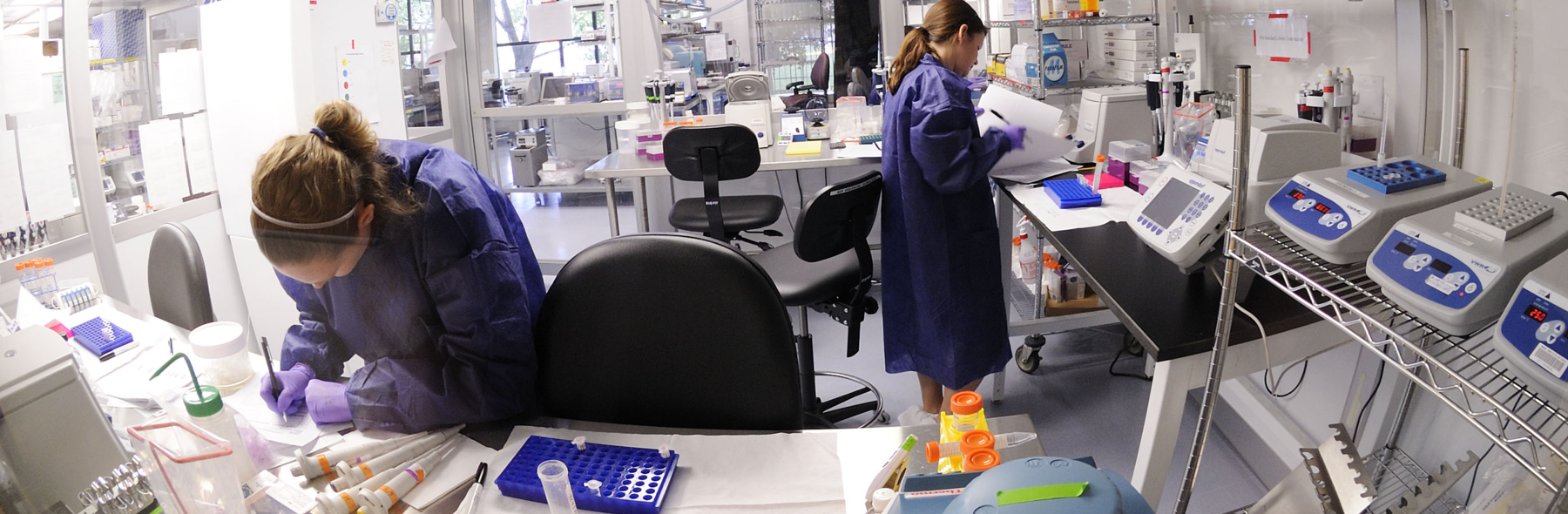
Breaking Research Worldwide Updates
Since February 2025 thousands of NHS cancer patients in England could soon access trials of a new vaccine treatment. It's designed to prime the immune system to target cancer cells and reduce recurrence risk. These vaccines are also hoped to produce fewer side effects than conventional chemotherapy. Thirty hospitals have joined the Cancer Vaccine Launch Pad, which matches patients with upcoming trials using the same mRNA technology found in current COVID-19 jabs. Over 200 patients from the UK, Germany, Belgium, Spain and Sweden will receive up to 15 doses of the personalized vaccine, with the study expected to complete by 2027.
OUR COMMENT:
What they are trying to do is, what we done years ago in our researches which started in 2011. Instead overtake our approaches, treatments and medications they are spending time and money for something what was already discovered by us. On other hand their approach using mRNA technology used in Covid-19 jabs will not bring results what they would like to see.
We checked on 06 December 2025 what progress being made, the answer is simply NONE. Good luck in the future if you don't want to admit that you are working on something what has been discovered already and is daily used in our innovative cancer treatments. Are they forgetting that we are living in time where there are 25+ million new cancer cases yearly and worldwide we have 10 million deaths of cancer each year!